
Responsible Sourcing & Traceability
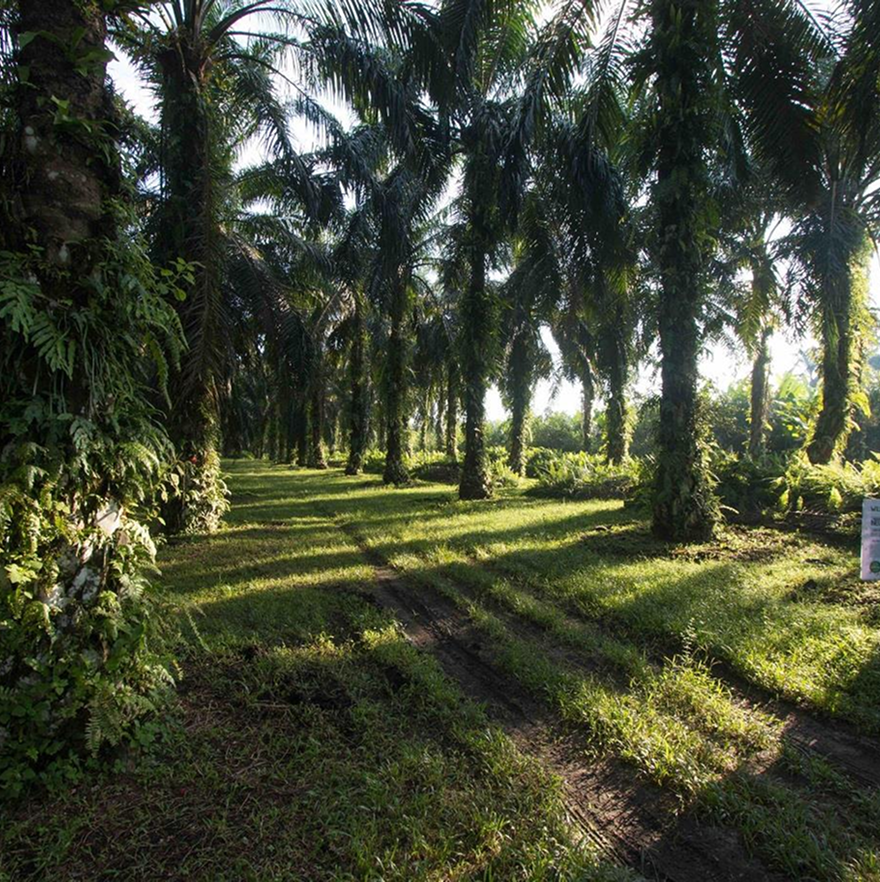
IOI Group is committed to responsible sourcing practices. In 2025, we further strengthen our commitment by introducing the Responsible Sourcing Policy with implementation details set out in our Responsible Sourcing Guideline, reinforcing our commitment to the responsible sourcing practices and traceability in our supply chain.
In each stage of our procurement process, Environmental, Economic, Social and Governance (EESG) considerations are clearly integrated from the screening of potential new suppliers to the annual assessment of existing suppliers. All suppliers are required to meet our established requirements, including our climate change commitment towards Net Zero by 2040.
We found that supply chain transparency is essential to meet the evolving regulatory and sustainability requirements and enabling businesses to track oil products from origin to end use. Achieving full traceability allows us to identify risks, enhance compliance, and demonstrate responsible sourcing practices.
The policy can be viewed here: Responsible Sourcing Policy

167,883 Ha
Planted Area
197,698 Ha
RSPO Certified
214,067 Ha
MSPO Certified
Average CPO Yield
4.37 MT/Ha
(Industry Average = 3.28 MT/Ha)


269 Supplying Mills
101 Direct Sourcing
168 Indirect Sourcing
As at December 2025


Origin of Our Oil
Mills Assessment on NDPE Compliance
Palm Oil Traceability
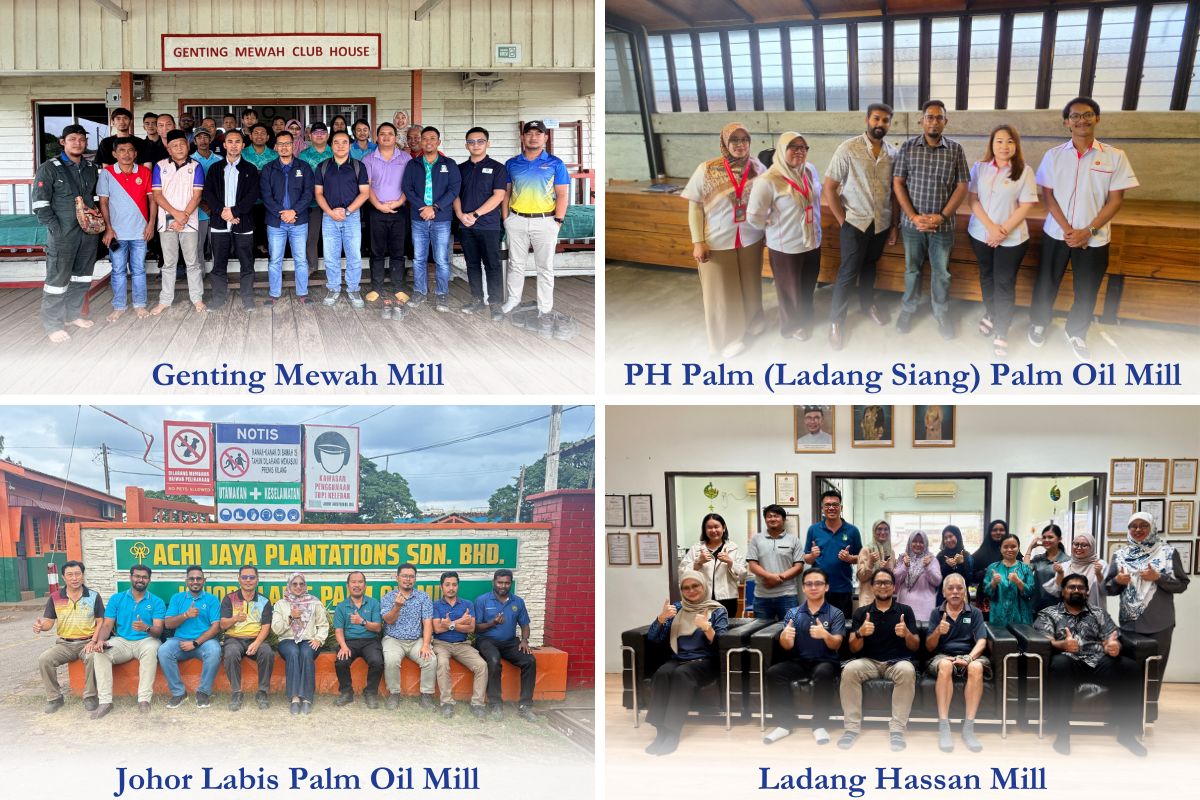
Tracing the origins of our oil allows us to monitor and engage with our suppliers to ensure a more transparent and sustainable supply chain. IOI’s three-step palm oil verification approach requires that all mills and refineries in the supply chain disclose information such as GPS coordinates and ownership groups.
Traceability to mill and plantation
- Trace the mills supplying to refineries and collect the traceability to plantation data from the mills.
Mill assesment and prioritisation
- Request the supplying mills to complete NDPE compliance assesment and analyse their responses. Develop a prioritisation profile by incorporating the inputs from the assesment, TTP data collection, deforestation threat analysis, previous engagements and also based on the volume supplied.
Mill engagement
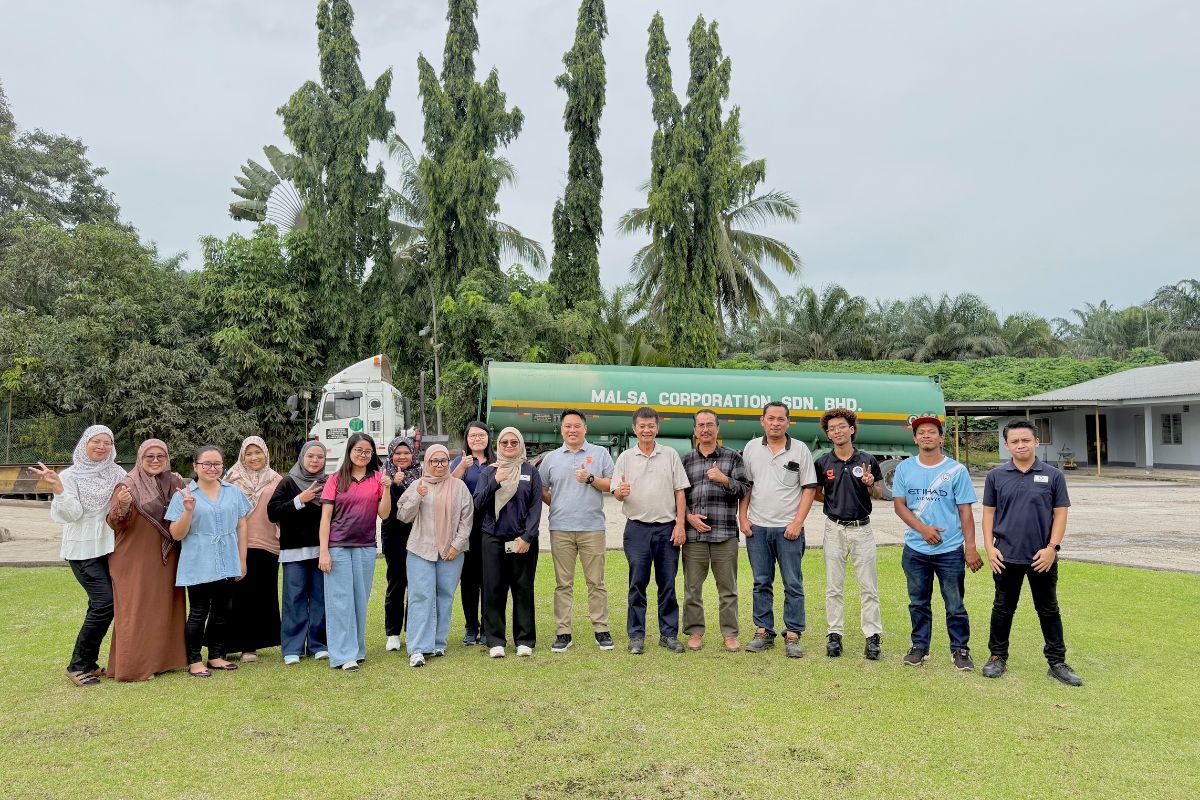
- Focus on engaging mills falling under high priority category followed by medium and low priority. Utilise the supplier assessment analysis to plan the engagement activities.
To further enable IOI to strategise in a more holistic way in responding to the potential climate risks, IOI conducted a quantitative group-wide climate change assessment forecasting climate scenarios for climate impact valuation.

Engagement with Suppliers
IOI engages with new suppliers through a Pre-Qualification and screening process as articulated here to ensure the new suppliers meet IOI’s sustainability requirements. New suppliers are screened using social and environmental criteria to meet the essential NDPE commitments. IOI will not approve any new suppliers that are unable to commit to these requirements.
For existing suppliers, IOI has implemented and communicated a proactive mill-level programme. This programme supports the supplier companies to adopt sustainable practices that adhere to IOISP commitments whilst providing guidance and resources towards the adoption of sustainability best practices.
Non-compliance with IOISP will trigger engagement and if required, corrective action plans and re-evaluation of commercial relationships for repeated failures.