
Building Suppliers’ Capacity For NDPE Implementation
IOI Corporation Berhad (IOI), through our Responsible Sourcing team, continues to work closely with our direct suppliers to strengthen supplier engagement activities by reviewing and tracking suppliers’ commitment to No Deforestation, No New Development on Peat, and No Social Exploitation (NDPE). Where applicable, targeted support such as workshop and customised action plans are planned and developed to help suppliers progressively meet these NDPE expectations.
In order to build our suppliers’ capacity to comply with the IOI Group Sustainability Policy (IOISP), we apply a two-pronged strategy to ensure sustainability is upheld across both palm oil production and sourcing. This approach leverages IOI’s purchasing patterns to meet the latest requirements, customer needs and any other expectation by stakeholders.
Following the Traceability Workshops held in 2024, where we engaged 12 third-party supplier mills and six Fresh Fruit Bunch (FFB) dealers in Sabah, as well as four third-party supplier mills and 26 FFB dealers in Peninsular Malaysia, we have selected one mill in Beluran, Sabah and one mill in Muar, Johor to receive further guidance and support. The focus is to strengthen the understanding of traceability requirements among the mills and their dealers and to explore practical ways to collect traceability data.
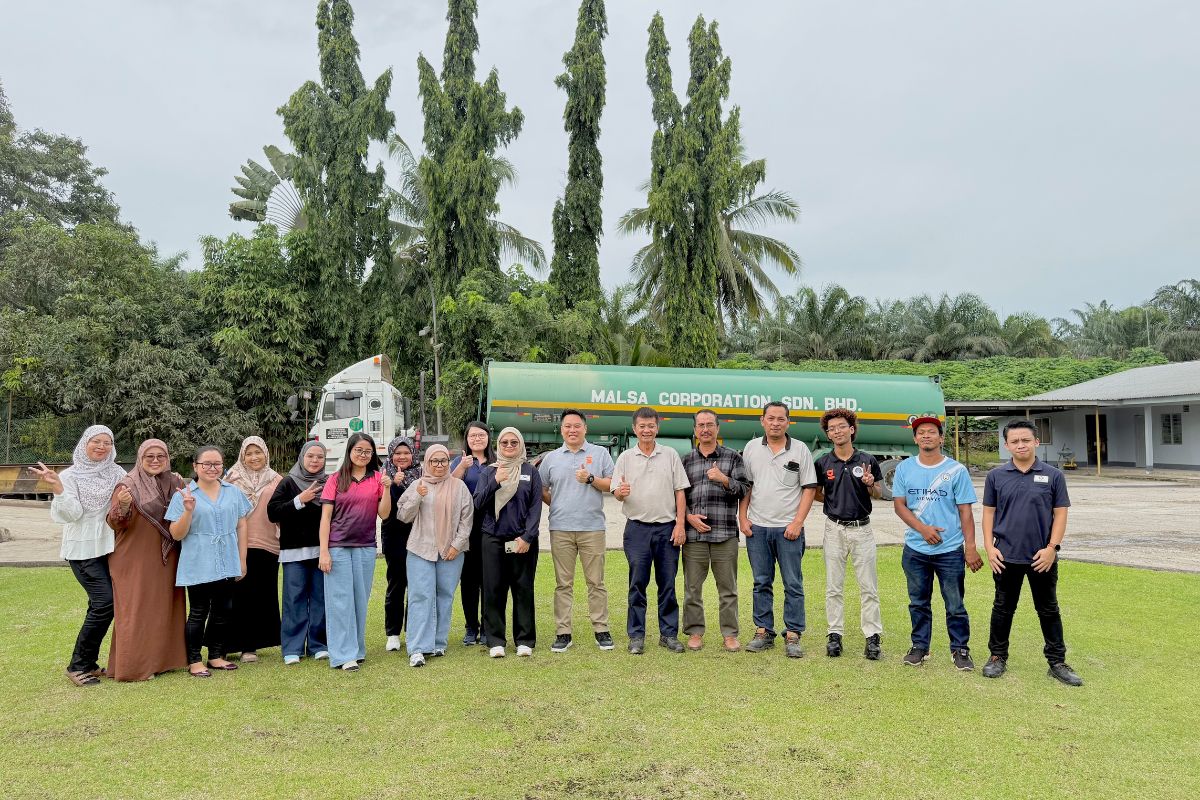
During the workshop, dealers gained clearer insights into how traceability requests from mills originate from refineries and ultimately from end customers. This helped build their understanding of how traceability data supports the NDPE commitments. Participants were also guided to leverage online mapping tools to define their sourcing boundaries. The mill and participating dealers will subsequently report their progress in maintaining traceability data.
On labour and human rights matters, IOI actively engages with direct suppliers through workshops conducted in collaboration with partners in the South Central Forest Spine (SFCS) landscape. These workshops aim to provide practical support to upstream suppliers, including plantations supplying to mills in mitigating workers’ vulnerabilities. They emphasise the importance of addressing the International Labour Organization’s Forced Labour indicators for business sustainability, outline the necessary practical measures to be implemented, and introduce resource guidance to help reduce workers’ vulnerabilities.
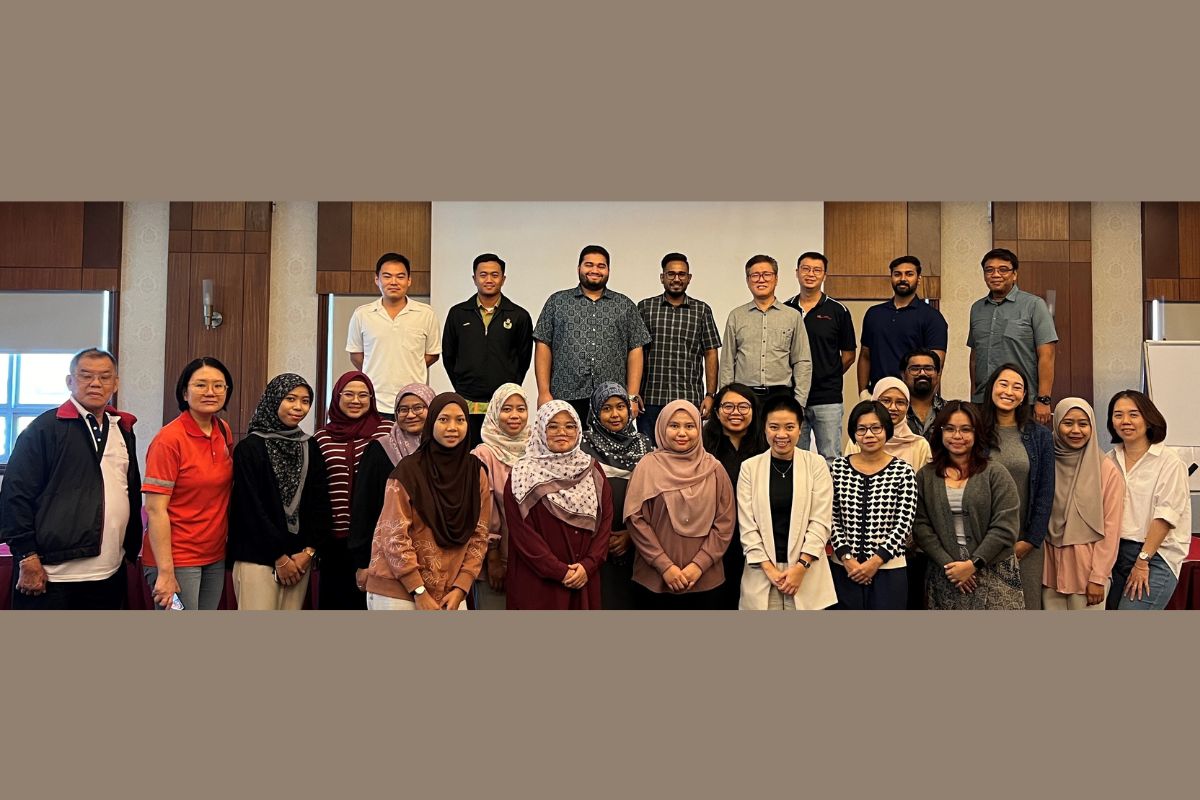
For labour protection aspect, we have developed a programme that supports suppliers in developing customised action plans on labour and child protection based on self-identified and prioritised gaps. These action plans are then used to monitor progress and address implementation challenges. Currently, three suppliers are participating in the programme, with plans to expand it to more suppliers over time.
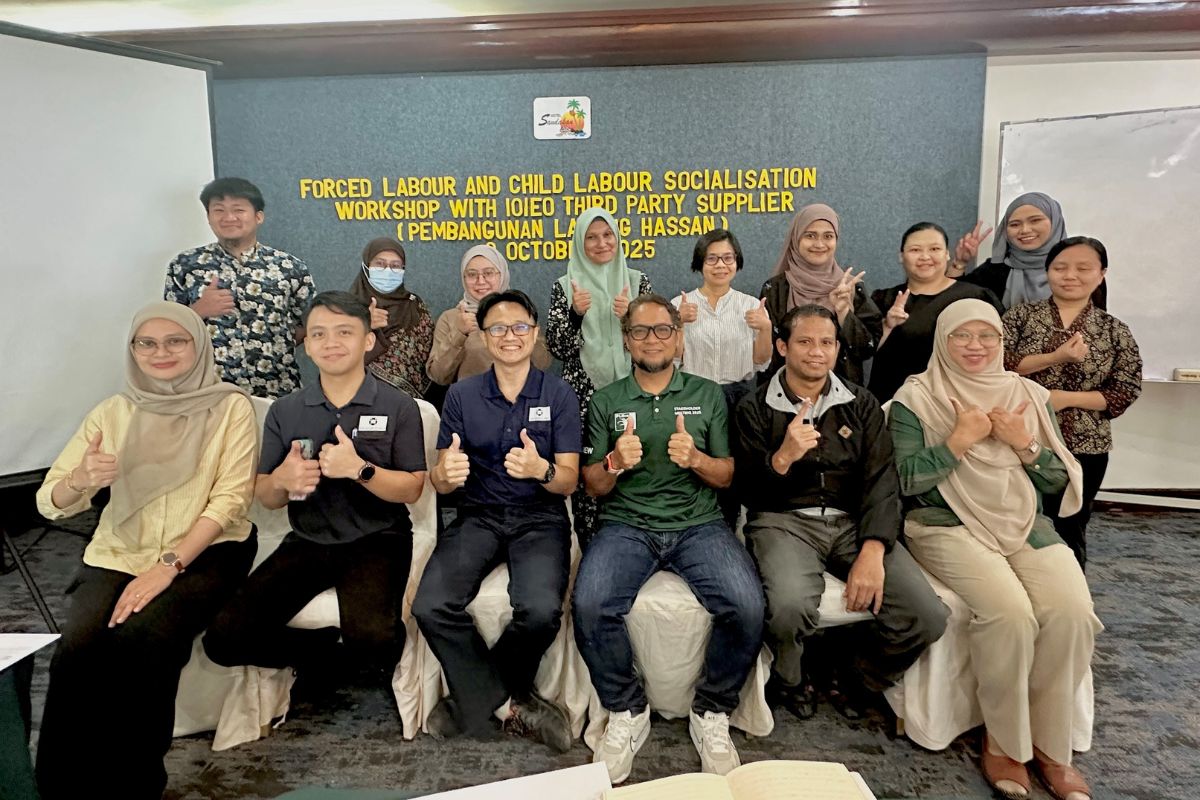
To effectively manage supply chain risks, larger palm oil companies, especially those with more mature compliance systems, must support and mentor small and medium-sized enterprises (SMEs). This collaboration can help shift their focus from merely meeting local legislative requirements to achieving broader sustainability goals. For example, from basic compliance with employment laws to stronger labour protections, as these unresolved gaps can increase the risk of worker exploitation.
The revised Malaysian Sustainable Palm Oil (MSPO) certification standard offers two pathways for conducting Social Impact Assessments: an internal assessment and an external assessment conducted by an MSPO-endorsed assessor. While companies may choose either option, external assessment is often preferred when in-house expertise is limited. IOI has observed direct suppliers conducting their external assessments by involving inter-company expertise, as we have also participated in their stakeholder consultation sessions. These activities demonstrate our ongoing engagement with suppliers and efforts to support certification requirements and responsible supply chain practices.
IOI’s Responsible Sourcing team will continue engaging and working alongside our direct suppliers so that their policies align with the IOISP and achieve a traceable and responsible supply chain. This journey would not be possible without the continued support of our suppliers, customers, non-governmental organisations (NGOs), governments, and independent verification bodies.