
IOI Strengthens Responsible Sourcing through Continuous Supplier Engagement on NDPE
In line with IOI Group's commitment to responsible sourcing and sustainable palm oil production, the Responsible Sourcing & Compliance team continued its engagement with suppliers across Peninsular Malaysia and Sabah throughout 2026 to strengthen understanding and implementation of the No Deforestation, No New Planting on Peat and No Social Exploitation (NDPE) commitments. These engagements form part of IOI's ongoing efforts to promote responsible practices, enhance supply chain transparency, and support suppliers in meeting evolving sustainability expectations from customers and stakeholders.
During the year, multiple engagement sessions and mill visits were conducted with various suppliers including Johor Labis Palm Oil Mill, Seong Thye (Ladang Rompin) Palm Oil Mill, Ulu Sebol Palm Oil Mill, Sungai Kachur Palm Oil Mill, PH Palm (Ladang Siang) Palm Oil Mill, Kim Loong (Kota Tinggi, Telupid) Palm Oil Mills, Hap Seng (Tomanggong, Jeroco 2) Palm Oil Mills, Pembangunan Ladang Hassan Mill, Genting Mewah Mill, Tung Hup Mill, Cahaya Palm Oil Mill, Fortuna Palm Oil Mill, Monsok Palm Oil Mill, Toupos Palm Oil Mill, Veetar Palm Oil Mill, Lam Soon Palm Oil Mill, Berkat Setia Palm Oil Mill, Malsa Palm Oil Mill, Sawit Kinabalu (Langkon, Lumadan, Sepagaya) Palm Oil Mills, Boustead Plantations Mills (Rimba Nilai and Tawai) and Kuala-Lumpur Kepong Mills (Desa Talisai, Lungmanis, Bornion, Pinang Rimmer, Sabang 1 and Sabang 2, and Mill 2). These engagements provided a valuable platform for open dialogue on regulatory developments, sustainability challenges and practical approaches towards strengthening NDPE implementation.
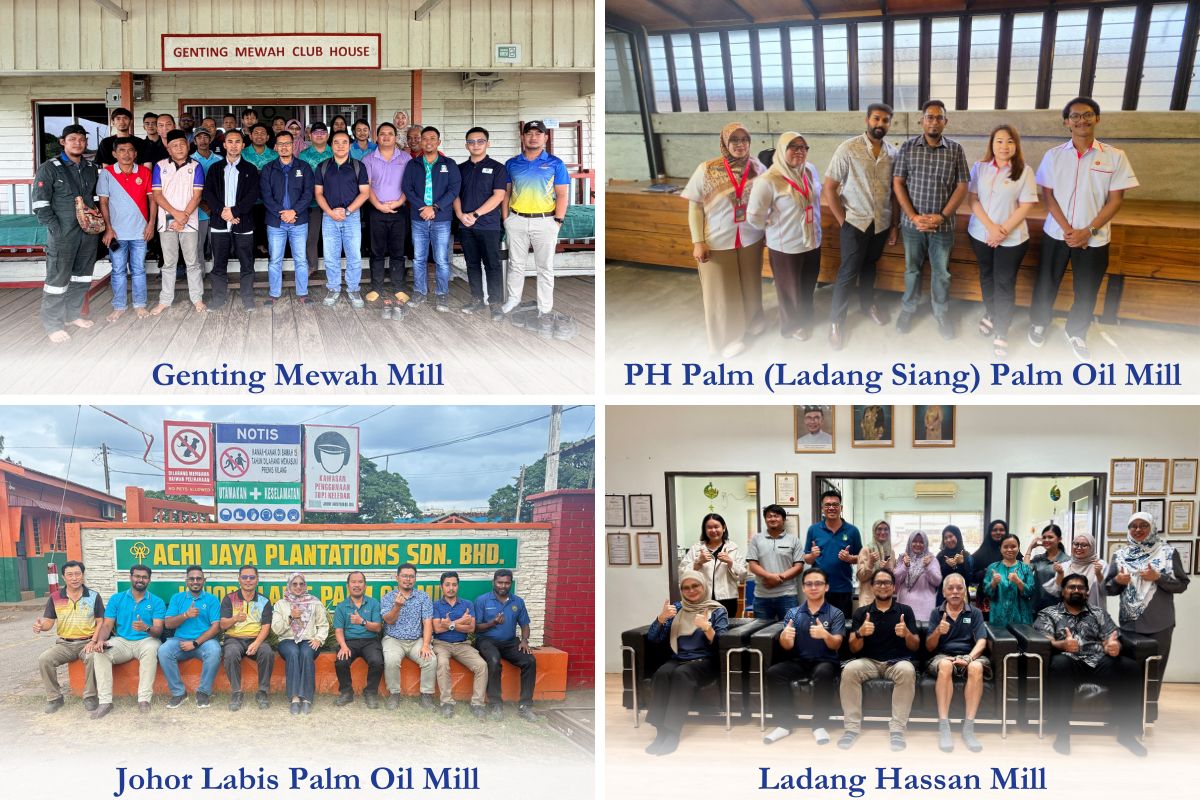
As part of the engagement programme, IOI shared updates on NDPE requirements, responsible sourcing expectations, supply chain traceability, land use change monitoring, grievance management, ethical recruitment practices, biodiversity conservation, greenhouse gas reduction initiatives, water stewardship, and preparedness for emerging regulations such as the European Union Deforestation Regulation (EUDR). Practical guidance was also provided on leveraging the use of satellite monitoring tools and traceability systems to support the identification and management of environmental and social risks within the suppliers' operations and supply chains.
The engagement approach includes discussions and assessments of key NDPE implementation elements at mill level. Topics include traceability to fresh fruit bunch (FFB) suppliers, NDPE policy commitments, systems for monitoring deforestation and peat-related risks, grievance mechanisms, ethical recruitment practices, freedom of association, worker welfare, occupational safety and health, and action plans to strengthen sustainability performance. These discussions enable suppliers to better understand market expectations while identifying opportunities for continuous improvement within their own operations.
During these sessions, the suppliers are encouraged to establish practical measures such as communicating NDPE commitments across their supply base, enhancing traceability data collection, improving labour management practices, and exploring technologies that support responsible production. Where gaps are identified, IOI provides recommendations and guidance to help suppliers strengthen systems and develop appropriate action plans. This collaborative approach supports suppliers in progressing towards greater alignment with NDPE principles and evolving sustainability requirements.
Furthermore, the programme also serves as an important platform for sharing industry best practices and highlighting the increasing importance of transparency, environmental stewardship, and social responsibility across the palm oil value chain. Through regular engagement and knowledge sharing, IOI continues to work closely with suppliers to build capacity, improve sustainability performance, and promote responsible sourcing practices throughout the supply chain.
As sustainability expectations continue to evolve, IOI remains committed to supporting suppliers on their sustainability journey through ongoing engagement, constructive dialogue, and capacity-building initiatives. By working together with suppliers, IOI aims to foster a supply chain that is resilient, transparent, and aligned with the NDPE principles.